Syria: 15.6 million people still need assistance
Syria
- killed in total
- 9,0001 December 2024–28 November 2025
- displaced
- 5.5 millionstock in the 2026 humanitarian plan
- in need of aid
- 15.6 million2026 humanitarian plan
Last reviewed · Last changed
Researched and written with AI · Method

ACLED writes that conflict deaths in Syria rose to over 9,000 in the twelve months to 28 November 2025, up from just over 6,000 the year before — after the fall of Bashar al-Assad. The figure is a floor, it is almost a year old, and it is not limited to civilians. In April 2026 the United Nations at the same time assessed that 15.6 million people still needed assistance, more than twice Denmark’s population (6,031,699 on 1 July 2026, Statistics Denmark, FOLK1A).
The figures are minimums from different sources and periods — see the table below.
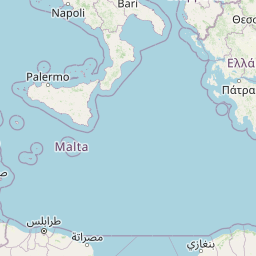
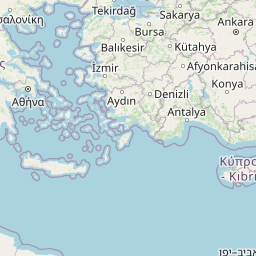
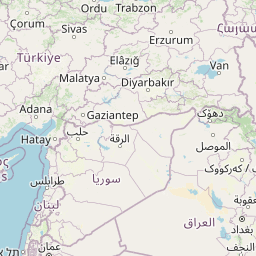
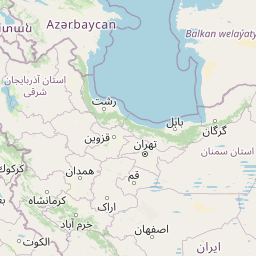
© OpenStreetMap contributors (ODbL)
Who is fighting
The political transition in December 2024 did not end the fighting. ACLED attributes the rise in deaths to a mix of political competition, sectarian violence and foreign meddling. In the humanitarian plan, OCHA writes that threats and insecurity continue to be reported in the southern and coastal governorates and in parts of the north-east, and that active hostilities and targeted attacks still hit homes, schools, health facilities, places of worship, farmland and water infrastructure.
Background
After the transition, people are returning even as millions remain displaced. OCHA counted over 5.5 million internally displaced people in the 2026 plan. In 2025 about 1.4 million Syrian refugees returned, mainly to Aleppo, Damascus, Homs, Idlib and Rural Damascus, and more are expected in 2026. Some returnees who could not get a foothold were displaced again. The World Bank estimates reconstruction needs, according to the plan, at about 216 billion dollars.
The situation now
The needs remain vast. The 2025 food security assessment cited in the plan put 13.3 million Syrians as food-insecure, including 7.2 million acutely and 0.7 million severely. Drought in 2025 hit 95 per cent of rainfed crops. Acute malnutrition (wasting) rose to 5.5 per cent in 2025, from 1.7 per cent in 2019. Explosive remnants are one of the largest sources of civilian harm: between 8 December 2024 and 31 December 2025 the mine-action response recorded 909 incidents that killed 606 civilians and injured 1,061. More than 60 per cent of the casualties were men, often hit while farming, grazing or collecting scrap; children accounted for nearly a third. Partners say the true figures are likely higher.
What to watch
A more recent nationwide figure for conflict deaths, which can replace the ACLED index period that ended in November 2025. Whether returns remain voluntary and durable, or whether new fighting in the south, along the coast or in the north-east sends people fleeing again. Whether the number of civilians harmed by explosive remnants falls as fields are brought back into use.
Related items


The figures
| What | Figure | Period | As of | Source | Confidence |
|---|---|---|---|---|---|
| Killed in totalACLED’s public Conflict Index says conflict-related deaths rose from “just over 6,000” to “over 9,000” in the index period. No exact figure is given, so 9,000 is used as a floor. The period ends on 28 November 2025 and is almost a year old as of 10 November 2026. A later nationwide total for the most recent 12 months was not found in the public sources. The figure covers conflict deaths, not civilians only. | 9,000 | 1 December 2024–28 November 2025 | ACLED | Estimate | |
| In need of humanitarian aid15.6 million people are assessed as needing assistance in 2026, including over 5.5 million internally displaced people. The plan aims to assist 8.6 million. | 15.6 million | 2026 humanitarian plan | OCHA | Estimate | |
| Displaced (internally + refugees)Over 5.5 million internally displaced people, both newly and protracted. In 2025 about 1.4 million Syrian refugees returned, mainly to Aleppo, Damascus, Homs, Idlib and Rural Damascus. | 5.5 million | stock in the 2026 humanitarian plan | OCHA | Estimate | |
| Famine officially classified | No | no IPC famine classification found for 2026 | GRFC | Cannot be verified | |
| IPC alert of a risk of famine | No | no IPC famine-risk alert found for 2026 | GRFC | Cannot be verified |
All figures are minimums, not totals: documented cases are fewest exactly where access is worst. Grey rows are background and do not affect the placement.
Sources
Changelog
- Headline clarified to name the subject
- The photograph of the Umayyad Mosque has been replaced, because it showed a festive landmark rather than the humanitarian crisis. In its place: a UNRWA distribution in Yarmouk camp in Damascus, 31 January 2014 (CC BY-SA 3.0 IGO, UNRWA).
- Image added: the Umayyad Mosque in Damascus, 20 September 2025 (CC BY-SA 4.0, Shahdddddddd).
- Reviewed for openly licensed images; none were added, because no recent photo or map with a verified licence fitted the item.
- Item created.