Syria: at least 1,500 Alawis killed in two days
Syria
- killed for faith
- 1,5007 March 2025 and the following two days, the Mediterranean coast
Last reviewed · Last changed
Researched and written with AI · Method

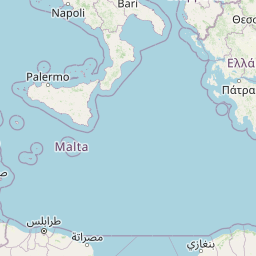
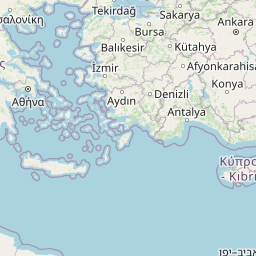
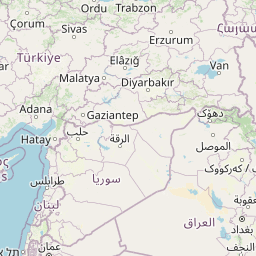
On 7 March 2025 and in the following two days, at least 1,500 Alawis were killed in Tartus, Latakia and Hama, according to the U.S. Commission on International Religious Freedom in its annual report covering 2025. The perpetrators were, according to the report, Sunni Muslim fighters loyal to, affiliated with, or serving directly within the new transitional authorities, and they used religious slurs during door-to-door executions. The figure is a floor for the first two days, not a combined annual total for all faiths.
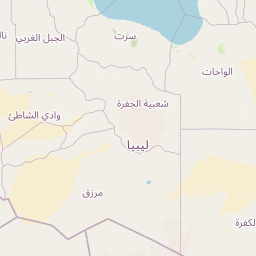
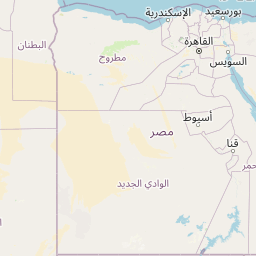
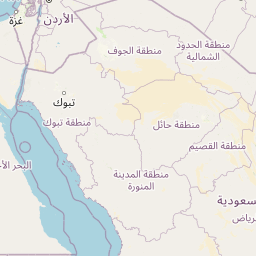
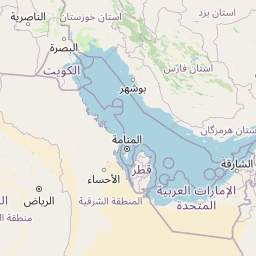
© OpenStreetMap contributors (ODbL)
Who is targeted
Alawis, Druze, Christians and other religious minorities were targeted during 2025, after the country had been in civil war for almost 14 years. Besides the at least 1,500 Alawis on the coast, USCIRF describes an attack on the Greek Orthodox Mar Elias church in Damascus in June, in which at least 25 Christians were killed during a Sunday liturgy, and fighting in July in which Sunni Muslim Bedouin tribes and later the transitional authorities’ military moved against the Druze community in Suweida. The report links a death toll of at least 2,000 to that last conflict. USCIRF also mentions hundreds of individual kidnappings, torture and murders of Alawis, Christians and Druze, and that, according to UN experts, the authorities responded unsatisfactorily to cases of kidnapping and sexual assault, including the gang rape of an Alawi woman in Hama in September.
Who is behind it
The transitional authorities, who installed themselves after the fall of the previous regime, promised, according to USCIRF, to reject that regime’s sectarianism. The commission also writes that they tolerated severe violations throughout the year and did not adequately stop or prosecute those responsible. On 7 March thousands of fighters answered a general mobilisation call from the Ministry of Defence, officially to subdue a reported pro-Assad Alawi insurgency. USCIRF writes that investigations by the United Nations, Amnesty International and Human Rights Watch have confirmed that security forces, the Ministries of Interior and Defence, and other authorities played a direct and substantial role in unlawful killings of Alawis and Druze. In April, false social media reports that a Druze leader had insulted the Prophet Muhammad triggered fatal clashes in Jaramana, near Damascus. In July, advocates pointed to anti-Druze material on state television as a contributing factor. The interim president and the Ministry of Justice set up investigative committees after the coastal killings in March and Suweida in July. USCIRF writes that the first avoided confirming how many suspects came from the transitional authorities’ own forces, and that the second only in mid-November brought some military and security personnel to trial.
Background
Syria is religiously mixed. After almost 14 years of civil war and a change of regime, a transitional administration stood on a promise to break with sectarian rule, while minorities on the coast, in Suweida and in the larger cities had to find their place under new rulers. USCIRF recommends that the United States designate Syria as a country of particular concern. The report does not contain one combined 12-month total for everyone killed because of faith; the three major events are therefore kept separate.
The situation now
The report covers calendar year 2025 and describes a deterioration through the year, not a conclusion. By the time the report closed, the transitional authorities’ own investigative committees had only to a limited extent brought cases against their own people. The sources used do not contain a later official combined death toll for 2026.
What to watch
Whether the investigative committees after March and July lead to trials that also include people from the transitional authorities’ own ranks. Whether a United Nations or official Syrian tally brings together the killings of Alawis, Druze and Christians in 2025 and 2026. Whether further sectarian attacks occur, and whether the transitional authorities hold to the promise to reject sectarianism that USCIRF cites.
Related items

The figures
| What | Figure | Period | As of | Source | Confidence |
|---|---|---|---|---|---|
| Killed for their faith, last 12 monthsUSCIRF writes “at least 1,500” Alawis killed in door-to-door executions in Tartus, Latakia and Hama in the first two days after 7 March 2025. The figure is a floor for one chain of events and does not cover the full 12 months. It does not include the at least 25 Christians who, according to the same report, were killed in an attack on the Mar Elias church in Damascus in June, nor the at least 2,000 deaths the report links to the fighting against the Druze community in Suweida in July. These figures have not been added together, because they cover different events and are not one combined 12-month total. | 1,500 | 7 March 2025 and the following two days, the Mediterranean coast | USCIRF | Estimate |
All figures are minimums, not totals: documented cases are fewest exactly where access is worst. Grey rows are background and do not affect the placement.
Sources
Changelog
- Headline clarified to name the subject
- The photograph of Fshifish Beach in Latakia has been replaced, because a tourist beach did not fit an item about the killing of Alawites. In its place: an Alawite shrine in the Talkalakh district, 5 October 2024 (CC BY-SA 4.0, Hayan Alhasan).
- Image added: Fshifish Beach in Latakia, 22 November 2025 (CC BY-SA 4.0, Abd Alsattar Ardati).
- Item created.