Afghanistan: about one in three in a food crisis
Afghanistan
- in hunger emergency
- 4.7 millionNovember 2025–March 2026
- in food crisis
- 17.4 millionNovember 2025–March 2026
Last reviewed · Last changed
Researched and written with AI · Method

In the winter of 2025–2026, 4,664,000 people in Afghanistan were in a hunger emergency, where families skip meals and children die of malnutrition (IPC Phase 4). That is more people than live in Copenhagen, Aarhus, Odense and Frederiksberg combined (1,367,746 on 1 July 2026, Statistics Denmark, FOLK1A). A later official projection expected a decline in the harvest season, but there is still no new nationwide figure for the winter now beginning.
The figures are minimums from different sources and periods — see the table below.
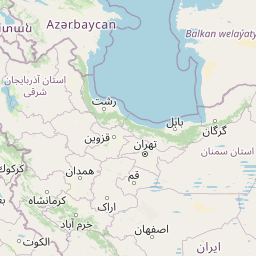
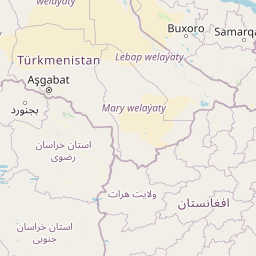
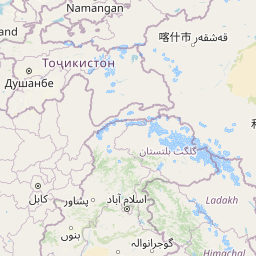
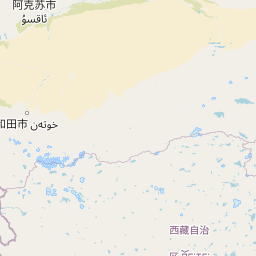
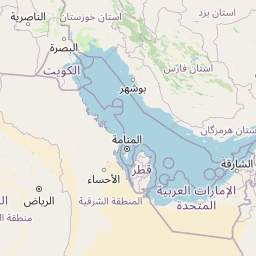
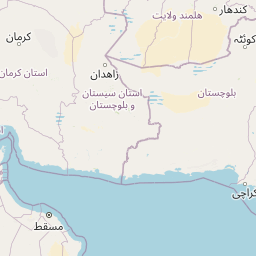
© OpenStreetMap contributors (ODbL)
Who is fighting
The Taliban have been the de facto authorities since 2021. In 2025, clashes with Pakistani forces at the border escalated. IDMC writes that fighting at Torkham in early March displaced 15,000 people in Pakistan, and that airstrikes in early October triggered around 161,000 movements in Afghanistan’s Kandahar province.
Background
Drought, a weakened economy and a sharp drop in food assistance are the drivers IPC highlights. The drought was entering its fifth year. In the first quarter of 2025 nearly five million people were affected, and about 396,000 left their homes, including just under 172,000 who went abroad. At the same time more than 2.5 million Afghans returned from Iran and Pakistan in 2025, according to UNHCR figures cited by IPC, and IOM expected a further 2.4 million undocumented returnees in 2026. The influx puts pressure on food, water and public services in the areas they return to.
The situation now
In November 2025–March 2026, the harshest period in the analysis, 17,413,000 people — about a third of the population — were in a food crisis or worse. Only around one million people, about two per cent of the population, were expected to receive food assistance in the projection period, down from 5.6 million earlier. IPC also points to restrictions on women’s participation in work and public life as something that weakens household income and the humanitarian response. In April–September 2026, during the harvest, the analysis expected a decline to about 13.8 million in a food crisis or worse, including 2,889,000 in a hunger emergency. As of 10 November 2026 there was no newer nationwide analysis, as a new winter begins.
The role of religion
The Taliban govern the country as an Islamic emirate and have curtailed women’s access to work, education and movement. IPC links the restrictions directly to household income and to how much aid can get through.
Why we cannot see the full picture
Lack of access is itself a warning sign: when aid workers and observers cannot reach an area, the worst-hit people may suffer without being counted. IPC links the Taliban's restrictions on women's access to work, education and movement directly to household income and to how much aid can get through.
What to watch
A new IPC analysis for the winter of 2026–2027, which will show whether the harvest improvement held or whether drought and returns are pushing the figures up again. The scale of returns from Iran and Pakistan. Whether food assistance again reaches beyond the narrow share the analysis described.
Related items


The figures
| What | Figure | Period | As of | Source | Confidence |
|---|---|---|---|---|---|
| In emergency or worse (IPC 4+)IPC’s figure for the winter lean season. No one was classified in catastrophe. The analysis expected the number to fall to 2,889,000 in April–September 2026, during the harvest. As of 10 November 2026 there was no newer nationwide analysis. | 4.7 million | November 2025–March 2026 | IPC | Verified | |
| In food crisis or worse (IPC 3+)4,664,000 in a hunger emergency plus 12,749,000 in a food crisis. Expected to fall to about 13.8 million in April–September 2026. | 17.4 million | November 2025–March 2026 | IPC | Verified | |
| Famine officially classified | No | September 2025–September 2026 | IPC | Verified | |
| IPC alert of a risk of famine | No | September 2025–September 2026 | IPC | Verified |
All figures are minimums, not totals: documented cases are fewest exactly where access is worst. Grey rows are background and do not affect the placement.
Sources
Changelog
- Headline clarified to name the subject
- Image added: a village in Badakhshan, 2017 (CC0, Frantisek Trampota). The photograph predates the current hunger analysis and shows the place, not a present emergency.
- The warning on lack of access has been rewritten so that it opens by stating that lack of access is itself a warning sign, followed by the source's specifics.
- Reviewed for openly licensed images; none were added, because no recent photo or map with a verified licence fitted the item.
- Item created.