Ebola in Congo: 5,198 dead in the country's largest outbreak
Democratic Republic of the Congo · Kenya · Nigeria
- dead
- 5,198from the outbreak declaration on 15 May to 3 November 2026
- cases
- 10,668from the outbreak declaration on 15 May to 3 November 2026
- countries affected
- 5since the outbreak was declared on 15 May 2026
Last reviewed · Last changed
Researched and written with AI · Method
In the Democratic Republic of the Congo, an outbreak of Ebola disease caused by Bundibugyo virus is, according to WHO, the largest Ebola outbreak ever recorded in the country, irrespective of virus species. As of 3 November 2026, 10,668 confirmed cases and 5,198 deaths had been counted. On 17 May WHO determined the outbreak to be a public health emergency of international concern.
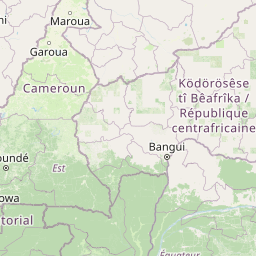
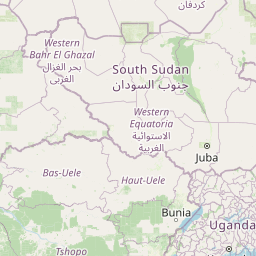
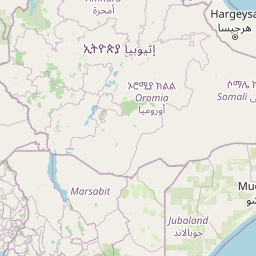
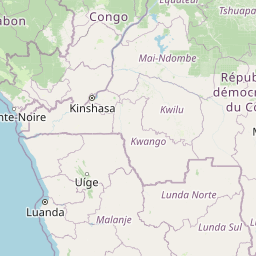
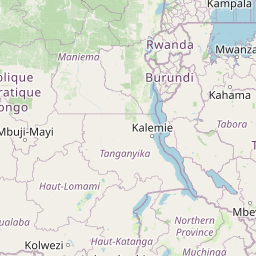
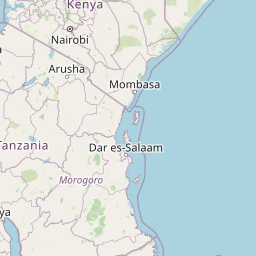
© OpenStreetMap contributors (ODbL)

The disease
Bundibugyo virus causes Ebola disease, which spreads through direct contact with bodily fluids from people who are sick or have died, and with contaminated material. WHO says there is no approved vaccine and no specific treatment for this virus species. The response therefore rests on early detection, isolation, contact tracing, safe burials and community engagement. This is the second Bundibugyo virus disease outbreak in Congo, after an outbreak in 2012. The case fatality ratio among confirmed cases is 48.7 percent.
Where and who
Transmission is concentrated in Congo, with active spread in 51 of 67 affected health zones in eight provinces. In the days up to 3 November most new cases came from Ituri and North Kivu. WHO writes that a high share of deaths occurs in communities, especially among young children, which shows that many people still reach care late or not at all. Since the outbreak was declared on 15 May, cases have also been recorded in France, Kenya, Nigeria and Uganda. WHO says the outbreaks in France and Uganda have been controlled since August. In Kenya, nine confirmed cases were linked to one imported index patient; five had been discharged on 3 November and two were still being treated. On 5 November the United Kingdom evacuated an infected health and care worker to London.
The response
Congo’s health ministry, WHO and partners are running treatment, contact tracing and screening at borders. By 5 November Kenya had screened 760,415 travellers at designated points of entry. WHO assessed the risk in Congo as very high, the risk in neighbouring countries as high, and the risk in the rest of Africa and globally as low, and advises against travel or trade restrictions. The authorities in the affected countries describe the effort as an attempt to break chains of transmission. The sources used do not document a counterpart programme, because this is a disease outbreak, not an armed conflict.
What to watch
Whether transmission in Ituri and North Kivu slows, or whether new health zones are added. The next WHO Disease Outbreak News, which will show whether the share of deaths in communities is falling. Whether the outbreaks in Kenya and Nigeria remain limited, and whether patients evacuated to Europe lead to further transmission. Whether Uganda and France remain free of new cases.
Related items


The figures
| What | Figure | Period | As of | Source | Confidence |
|---|---|---|---|---|---|
| Declared public health emergency of international concern (PHEIC)The WHO Director-General determined that the outbreak of Ebola disease caused by Bundibugyo virus in the Democratic Republic of the Congo and Uganda constitutes a public health emergency of international concern (PHEIC). The same statement says the outbreak does not meet the criteria of a pandemic emergency. | Yes | declared 17 May 2026, still in effect | WHO | Verified | |
| Dead, last 12 monthsConfirmed deaths among 10,668 confirmed cases (case fatality ratio 48.7 percent). The period is shorter than 12 months, so the figure is a floor. Of 512 deaths reported since 21 October, 335 occurred in communities and 177 in treatment centres. | 5,198 | from the outbreak declaration on 15 May to 3 November 2026 | WHO | Verified | |
| Cases, last 12 monthsConfirmed cases in 67 health zones in eight provinces, with transmission in 51 zones. 2,881 people had recovered. The period is shorter than 12 months. | 10,668 | from the outbreak declaration on 15 May to 3 November 2026 | WHO | Verified | |
| Countries affectedThe Democratic Republic of the Congo, France, Kenya, Nigeria and Uganda. WHO writes that the outbreaks in France and Uganda have been controlled since August, while the response continues in Kenya and Nigeria. The United Kingdom evacuated an infected health and care worker to London on 5 November. This figure is shown only and does not rank the item. | 5 | since the outbreak was declared on 15 May 2026 | WHO | Verified |
All figures are minimums, not totals: documented cases are fewest exactly where access is worst. Grey rows are background and do not affect the placement.
Sources
- WHO, Disease Outbreak News, Ebola disease caused by Bundibugyo virus – Democratic Republic of the Congo, Kenya and Nigeria, 6 November 2026 (figures as of 3 November)
- WHO, Ebola disease caused by Bundibugyo virus in the Democratic Republic of the Congo and Uganda determined a public health emergency of international concern, 17 May 2026
- WHO, situation page, Ebola outbreak – DRC 2026
- ECDC, Ebola disease outbreak caused by Bundibugyo virus – Multi-country – 2026
Changelog
- Headline clarified to name the subject
- Image added: ERCC/DG ECHO map of the Ebola outbreak, 10 November 2026 (CC BY 4.0, © European Union, 2026). The map has its own figures as of 8 November.
- Item created.