Flooding in Nepal
Nepal · Rasuwa · Nuwakot · Dhading
- dead
- 1,457since 26 August 2026
- in need of aid
- 84,270in 17 municipalities in six districts covered by the flash appeal
Last reviewed · Last changed
Researched and written with AI · Method

An ice and rock avalanche at the Lhende River in Tibet sent a flood wave down the Bhote Koshi and Trishuli valley in Nepal on 26 August 2026. Nepal's national disaster authority, NDRRMA, has confirmed 1,457 deaths, and 5,285 people are still recorded as missing.
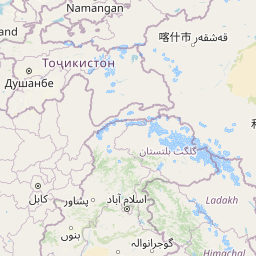
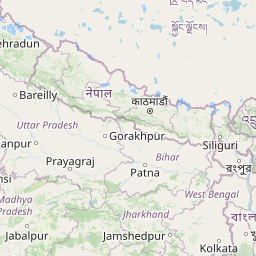
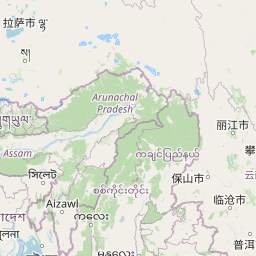
© OpenStreetMap contributors (ODbL)

What happened
At 8:40 in the morning on 26 August, an ice and rock avalanche broke away near the Lhende River on the Tibetan side of the border, briefly dammed the Lhende Khola and then burst through. A surge of water, mud and rock ran the length of the valley, struck Rasuwagadhi, Timure and Syabrubesi, and reached Devghat by midday at a flow far above what the monsoon normally brings. It took the valley floor with it, and with it the homes, markets, hydropower plants and the road that hold life in this narrow valley together. A further rise on the Budhi Gandaki River on 11 October hit communities in Gorkha and Dhading and again damaged roads and access routes.
Who is affected
The confirmed deaths and the missing are tallied by NDRRMA. Missing people have been reported from 62 of the country's 77 districts and include residents, security personnel, customs officials and foreign tourists. The Humanitarian Country Team estimated that 84,270 people in 17 municipalities in six districts — Rasuwa, Nuwakot, Dhading, Chitwan, Gorkha and Tanahu — needed help, including 32,021 children. That is a little more than the population of Slagelse Municipality (80,856 on 1 July 2026). On 17 September WFP reported that the government's Rapid Damage and Needs Assessment put the number of people affected at about 1.6 million; the humanitarian plan still uses 84,270 as the number assistance is aimed at.
People in the upper valleys lost homes, clothing and household goods. Weeks later, roads, electricity and phone connections were still down in parts of upper Rasuwa, so supplies had to be flown in. On 21 October, 417 displaced people were still living in 11 holding centres in Rasuwa, Nuwakot and Dhading. Many others move between centres, rented rooms and host families while they wait for transitional shelter.
The response
The government is leading the response. The country team launched a flash appeal for 49.6 million dollars to provide life-saving aid to all 84,270 people identified as affected. IFRC and the Nepal Red Cross have an emergency appeal, and security forces, the Red Cross and communities have rescued 13,795 people. UNICEF writes that, with partners, it has reached more than 50,000 people with water and sanitation, more than 18,000 with psychosocial support and 66,000 with oral cholera vaccine, and that almost 1,800 children have been given access to learning. The authorities are providing monthly cash to families who do not wish to stay in the centres until other housing is arranged.
UNICEF requires 17.2 million dollars for the acute response and has received 12.4 million, leaving a gap of 4.8 million. A preliminary estimate for early recovery, including winterisation, is 47 million dollars, to be confirmed once the final damage assessment is available.
What to watch
Winter is the next turning point. With homes and clothing lost, thousands face freezing temperatures, and the distribution of warm clothes and blankets is under way but not finished. The final post-disaster needs assessment will set the shape of recovery. Identification of the missing and of unidentified bodies continues after search and rescue ended. Access to some settlements in northern Rasuwa still depends on air transport, and a further rise in the rivers could close the roads again.
The figures
| What | Figure | Period | As of | Source | Confidence |
|---|---|---|---|---|---|
| DeadFigures from Nepal's national disaster authority, NDRRMA, relayed in Nepal Red Cross Situation Report 15, originally published 6 November 2026. 5,285 people were recorded as missing at the same time. Missing people are not included in the death toll. | 1,457 | since 26 August 2026 | NDRRMA | Verified | |
| In need of humanitarian aidThe Humanitarian Country Team set the figure in the 4 September flash appeal at 84,270 people affected, including 32,021 children, and directed assistance to all of them. UNICEF used the same figure on 2 November. | 84,270 | in 17 municipalities in six districts covered by the flash appeal | UNICEF | Verified | |
| GDACS alertThe UN and EU's disaster alert system (GDACS) issued its highest warning level for the flood in Nepal from 26 August to 1 September 2026. | Red | highest alert during the event from the UN and EU disaster alert system | GDACS | Verified |
All figures are minimums, not totals: documented cases are fewest exactly where access is worst. Grey rows are background and do not affect the placement.
Sources
- Nepal Red Cross, Rasuwa Flood Response 2026, Situation Report 15 (6 November 2026)
- UNICEF Nepal Humanitarian Situation Report No. 8, 2 November 2026
- Humanitarian Country Team, Nepal Rasuwa Flood Flash Appeal, 4 September 2026
- WFP Nepal Situation Report on the Rasuwa Flood Response, 17 September 2026
- GDACS, Flood in Nepal, event 1104124
- Statistics Denmark, FOLK1A, population as of 1 July 2026
Changelog
- The death toll has been corrected to 1,457, the figure given in the cited Nepal Red Cross Situation Report 15.
- Maps that show figures now link to the report the figures come from. A location and coordinates have been added so the site can show a small locator map.
- GDACS red alert explained as the UN and EU disaster alert system's highest warning level in the reader-facing text.
- First draft, based on NDRRMA figures via the Nepal Red Cross, the UNICEF situation report of 2 November, the flash appeal and GDACS.