Flooding in the Philippines
Filippinerne · Luzon
- affected
- 10.9 millionsince 30 July 2026, combined effects of the southwest monsoon and four tropical cyclones
- displaced
- 44,436still displaced as of 6 October 2026
Last reviewed · Last changed
Researched and written with AI · Method
The enhanced southwest monsoon and a series of tropical cyclones have, since late July 2026, affected 10,873,216 people in more than 7,000 barangays in the Philippines. On 6 October, 44,436 people were still displaced, according to the Department of Social Welfare and Development (DSWD).
The figures are minimums from different sources and periods — see the table below.
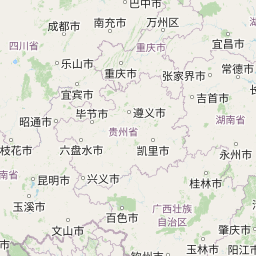
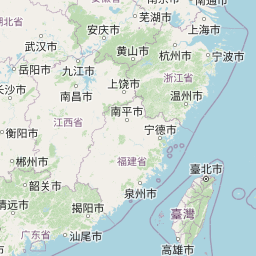

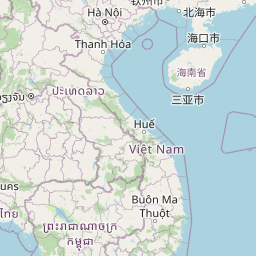
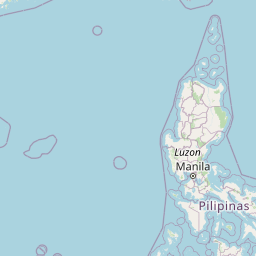
© OpenStreetMap contributors (ODbL)

What happened
On 30 July the trough of a low-pressure area hit the eastern parts of the Visayas and Mindanao and triggered heavy rain and flooding in Zamboanga City. The low developed on 1 August into Tropical Depression Luis, which brought rain, wind and flooding in northern and central Luzon, especially in the Cagayan Valley. On 4 August a new low became Tropical Storm Maymay, which made landfall near Magsingal in Ilocos Sur and crossed northern Luzon. The monsoon kept pushing rain into Western Visayas and Metro Manila. On 18 August a low east of extreme northern Luzon became Depression Neneng, and on 30 August another low became Depression Pilandok. Together the four systems and the enhanced monsoon (Habagat) kept rain, floods and landslides going for weeks. DSWD treats the sequence as one combined event.
Who is affected
DROMIC report No. 107 as of 6 October at 6 a.m. counted 3,074,596 families, or 10,873,216 people, affected in 7,103 barangays in the National Capital Region, the Cordillera and Regions I, II, III, CALABARZON, MIMAROPA, V, VI, VIII and IX. That is almost 1.8 times the population of Denmark (6,031,699 on 1 July 2026). 4,805 houses were damaged, including 663 totally. 44,436 people were still displaced, of whom 6,796 were in 101 evacuation centres and 37,640 were staying with relatives or friends, in the Cordillera and Regions I, III and CALABARZON. The report does not include an updated death toll.
The response
The government is leading the response through the local and national disaster councils and DSWD. As of 6 October, assistance worth 3.05 billion pesos had been provided, including 2.80 billion from DSWD and the rest from local governments, organisations and other partners, typically as food and household items. DSWD is also managing camps and the protection of internally displaced people.
What to watch
The next DSWD tally will show whether the 44,436 people still displaced can return home as the water recedes, and whether more houses prove to have been destroyed once the count is complete. The tropical cyclone season in the western Pacific is not over, and a new system could add to the damage already recorded.
The figures
| What | Figure | Period | As of | Source | Confidence |
|---|---|---|---|---|---|
| AffectedDSWD DROMIC report No. 107 as of 6 October at 6:00. 3,074,596 families in 7,103 barangays in NCR, CAR and Regions I, II, III, CALABARZON, MIMAROPA, V, VI, VIII and IX. | 10.9 million | since 30 July 2026, combined effects of the southwest monsoon and four tropical cyclones | DSWD | Verified | |
| Displaced6,796 in evacuation centres and 37,640 with relatives or friends, in CAR and Regions I, III and CALABARZON. The figure has fallen from earlier in the event. | 44,436 | still displaced as of 6 October 2026 | DSWD | Verified |
All figures are minimums, not totals: documented cases are fewest exactly where access is worst. Grey rows are background and do not affect the placement.
Sources
Changelog
- Maps that show figures now link to the report the figures come from. A location and coordinates have been added so the site can show a small locator map.
- First draft, based on DSWD DROMIC report No. 107 of 6 October 2026.