Churchgoing in England is up slightly, but the young-men figures were withdrawn
United Kingdom
- weekly churchgoers
- 702,000typical weekly attendance in the Church of England, October 2024
- conversions
- 5,432baptisms of people over seven in the Catholic Church in England and Wales in 2024
- baptisms
- 8,600adult baptisms (aged 18 and over) in the Church of England in 2024
Last reviewed · Last changed
Researched and written with AI · Method
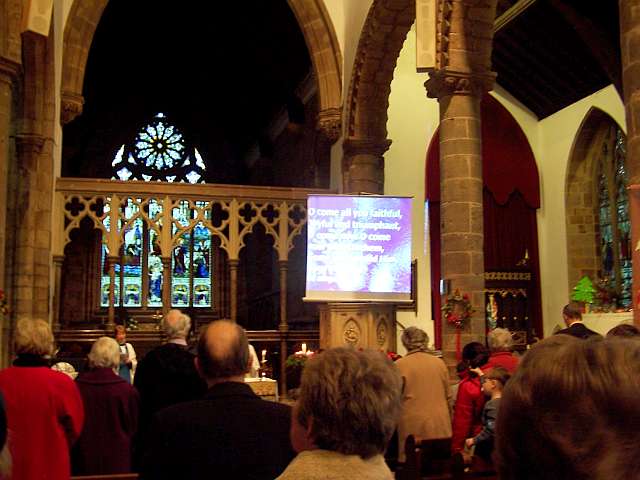
In the Church of England, typical weekly attendance has risen for four consecutive years in the final figures, and in 2024 the Catholic Church in England and Wales baptised more people over the age of seven than in any other year in the official series. At the same time, on 26 March 2026 YouGov withdrew the figures that in 2025 were widely cited as evidence that young men had returned to church in large numbers. The longest-running sample survey, British Social Attitudes, finds no revival among the young.
- The development
- Clear and measured
- Scale
- National
- Kind
- Statistics



© OpenStreetMap contributors (ODbL)
What is happening
According to the Church of England's official report Statistics for Mission 2024, published in October 2025, typical weekly attendance in October was 702,000 people, against 691,000 in 2023 and 864,000 in 2019. Sunday attendance was 581,000, and the regular worshipping community was 1,009,000. Adult baptisms of people aged 18 and over were 8,600, according to the report's table, against 7,800 in 2023 and 7,300 in 2019. The report's running text gives 8,700, because it adds 40 thanksgivings. Baptisms of 11- to 17-year-olds were 2,400, and confirmations 11,300. The Church does not publish attendance for young men as a separate group. People aged 18-69 made up 470,000 of the regular community, a little more than in 2023, but fewer than the 526,000 in 2019.
On 13 May 2026 the Church published preliminary figures for 2025 and called it the fifth year of growth in a row, the first time this has been seen since the current series began. Typical weekly attendance is estimated at 707,000, 0.7 per cent higher than the year before, Sunday attendance at 590,000 and the regular community at 1.023 million. Easter and Christmas attendance also rose. The figures are based on returns from around 80 per cent of churches, may change, and the final 2025 report had still not been published on 4 November 2026. The Church itself says attendance remains below pre-pandemic levels.
In the Catholic Church in England and Wales the movement is clearer in the sacramental figures. The bishops' conference counts 5,432 baptisms of people over seven in 2024, against 4,494 in 2023, a rise of 20.9 per cent, and 3,024 receptions into the Church, against 2,334, a rise of 29.6 per cent. Average weekly Mass attendance was 575,453, against 552,631 the year before. There is not yet a national official total for Easter 2026. The Diocese of Westminster said that almost 800 adults from more than 100 parishes came forward at the Rite of Election on 21 February, 60 per cent more than in 2025, and that this was the highest number in 15 years. The highest figure since the diocese's series began in 1993 was 891 in 2011, including 63 from the Ordinariate.
What many people heard in 2025 was a different picture. The Bible Society's report The Quiet Revival, based on YouGov, was cited as showing that churchgoing among 18- to 24-year-olds in England and Wales had risen sharply, especially among young men. On 26 March 2026 YouGov wrote that certain groups in the survey contained respondents now identifiable as fraudulent, that anti-fraud tools had not been applied properly, and that this was enough to move the headline result by a few percentage points. YouGov took full responsibility and promised a new survey. The Bible Society withdrew the report. As of 11 November 2026 the new survey had not yet been published.
British Social Attitudes, which the National Centre for Social Research has run since 1983, and which is based on a probability sample, draws a different picture. In the latest round, collected in autumn 2025 and published on 18 May 2026, 13 per cent of Christians, about one in eight, said they attend a service at least weekly, the same as in the previous year's survey, and well below the 20 per cent recorded in 2018. Among all British adults the share was 5 per cent, against 8 per cent in 2018. Among those under 35 the share was 4 per cent, within the range of 3 to 5 per cent seen since 2017, with no sign of a recent increase. At the same time, weekly churchgoing among those aged 70 and over has halved since 2017, from 18 per cent to 9 per cent. Sir John Curtice of NatCen said there is no evidence of a Christian revival in Britain, and that the suggestion that younger people are leading a religious renewal is not borne out by the data.
The official church counts and the sample survey do not measure the same thing. The Church of England and the Catholic Church count attendance and sacraments in their own congregations. BSA asks a representative sample of all adults whether they attend a Christian service. Both can therefore be true at once: that some churches are counting slightly more people in the pews and more adults coming to baptism, and that no revival among young men has been measured in the population as a whole.
Who is behind it
The final attendance and baptism figures come from the Church of England's Data Services and from the Catholic Bishops' Conference of England and Wales. The preliminary 2025 figures come from the Church's own news release of 13 May 2026. The Westminster figures come from the diocese. YouGov has itself set out the faults in the 2024 survey. BSA is NatCen's independent attitudes survey.
What to watch
The final Statistics for Mission 2025, which the Church expected in autumn or winter 2026. The new YouGov and Bible Society survey, which was promised for autumn 2026 but has not yet appeared. The Catholic bishops' conference figures for 2025, and any eventual national total for Easter 2026. And the next BSA, which will show whether the share among the young remains around 4 per cent.
Related items


The figures
| What | Figure | Period | As of | Source | Confidence |
|---|---|---|---|---|---|
| Weekly churchgoersOfficial rounded national figure. The 2023 figure was 691,000; in 2019 it was 864,000. Adults (aged 16 and over) accounted for 608,000, and children under 16 for 94,000. The report was published in October 2025. | 702,000 | typical weekly attendance in the Church of England, October 2024 | Church of England, Statistics for Mission 2024 | Estimate | |
| BaptismsOfficial rounded figure for baptisms alone. The 2023 figure was 7,800; in 2019 it was 7,300. The report's running text gives 8,700 adult baptisms in 2024 because it adds 40 thanksgivings. Baptisms of 11- to 17-year-olds were 2,400 in 2024, against 2,100 in 2023. Confirmations were 11,300, against 10,700 in 2023. | 8,600 | adult baptisms (aged 18 and over) in the Church of England in 2024 | Church of England, Statistics for Mission 2024, table 4 | Estimate | |
| ConversionsOfficial unrounded figure. In 2023 the figure was 4,494, a rise of 20.9 per cent. There were also 3,024 receptions into the Church in 2024, against 2,334 in 2023, a rise of 29.6 per cent, according to the same bishops' conference statistics for 2023. Average weekly Mass attendance was 575,453 in 2024, against 552,631 in 2023. | 5,432 | baptisms of people over seven in the Catholic Church in England and Wales in 2024 | Catholic Bishops' Conference of England and Wales, Statistics 2024 | Verified |
Sources
- Church of England, Statistics for Mission 2024, published October 2025
- Church of England, Church attendance grows for fifth year in a row, 13 May 2026
- Catholic Bishops' Conference of England and Wales, Statistics 2024
- Catholic Bishops' Conference of England and Wales, Statistics 2023
- National Centre for Social Research, No revival in sight, 18 May 2026
- YouGov, Conclusions of investigation into 2024 Bible Society study, 26 March 2026
- Diocese of Westminster, Largest Rite of Election in Westminster Diocese for 15 years, 20 February 2026
Changelog
- Image added: a Christmas service at St Mary’s Church in Ilkeston, 25 December 2006 (CC BY-SA 2.0, Garth Newton).
- Reviewed under the new church and revival criteria, which Jack approved on 11 November 2026. Tier 2 confirmed.
- Item created on what has been measured about churchgoing and adult baptism in England, and on YouGov's withdrawal in March 2026 of the most widely cited figures about young men.